Annual radon system inspections are critical because they ensure the mitigation equipment continuously prevents toxic, radioactive gas from accumulating in your living space.
Radon is invisible, odourless, and tasteless, meaning you cannot rely on your senses to detect system failures. While a properly installed mitigation system can reduce radon levels by up to 99%, mechanical degradation or home changes will silently compromise its effectiveness over time.
Why Annual Inspections Matter
Mitigating Life-Threatening Health Hazards: Long-term radon exposure is the primary environmental cause of lung cancer, accounting for over 21,000 U.S. deaths annually.
Preventing Silent Mechanical Failures: Radon fans operate continuously, causing the bearings, seals, and electrical housing to wear down and reduce airflow.
Detecting Invisible Radon Spikes: A system’s visual pressure gauge (manometer) only tracks fan suction, not actual gas concentration levels.
Adapting to Environmental Changes: Ground shifts, soil settling, or structural foundation cracks alter soil air pressure, shifting how radon seeps upward.
Accounting for Home Renovations: Modifications to your HVAC layout, basement upgrades, or home additions completely alter internal airflow dynamics.
What Is a Radon System Inspection?
A radon system inspection is a professional checkup of your existing mitigation system. The purpose is to make sure the system is operating as intended and reducing radon levels effectively.
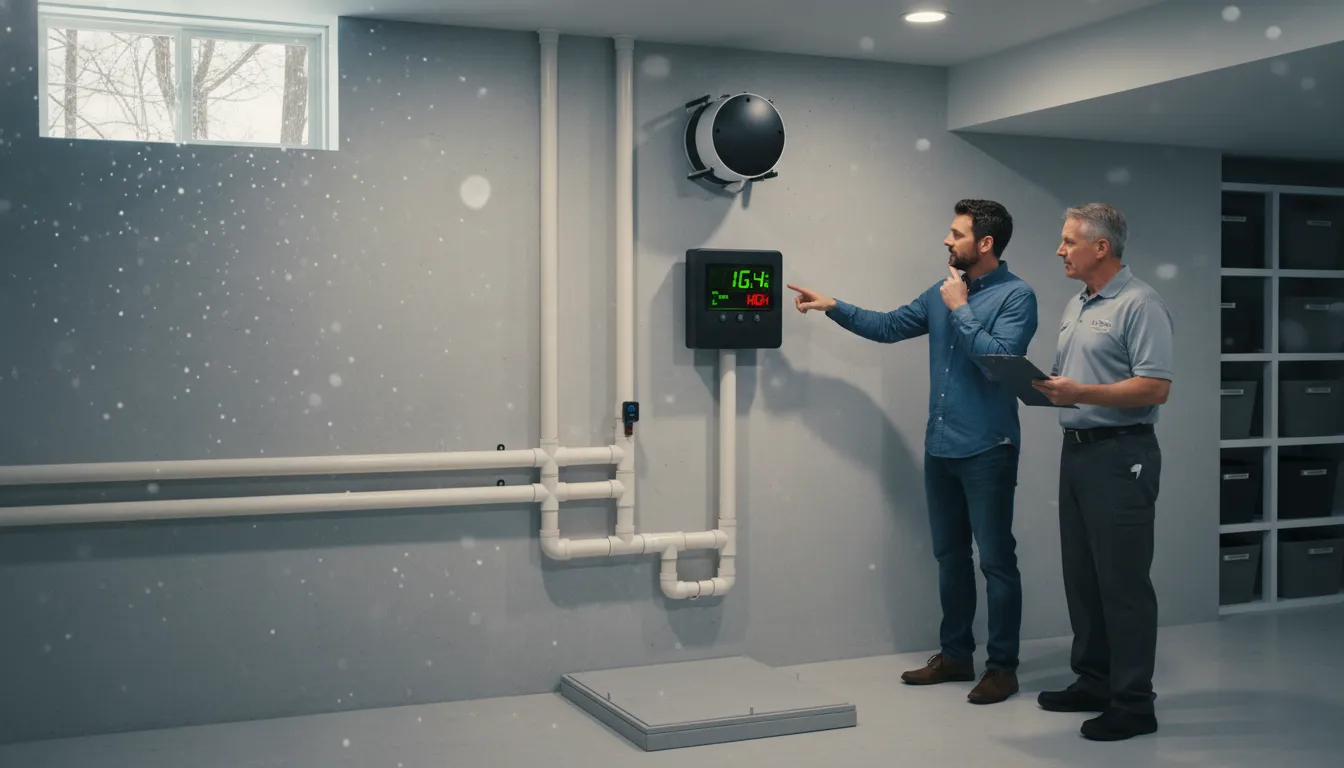
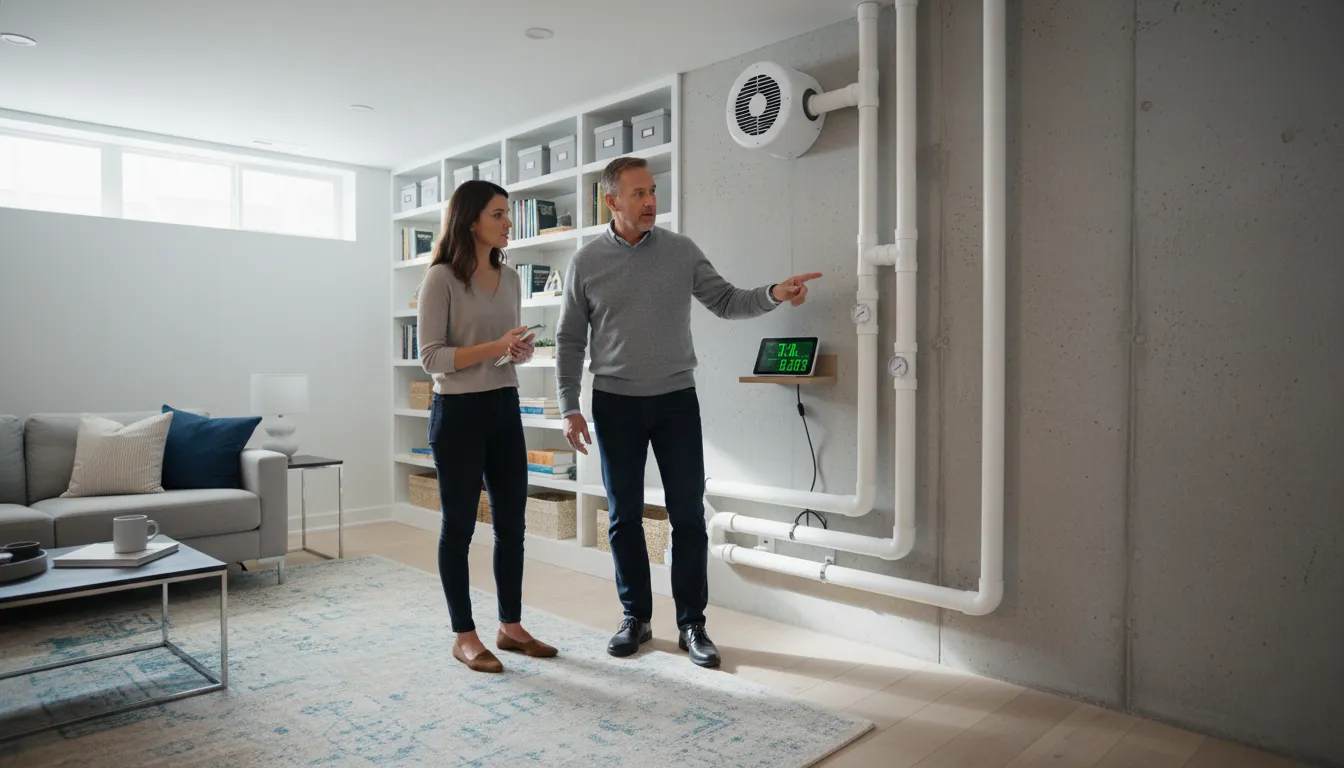
During Radon System Inspections, a specialist may review the visible components of the system, check the fan operation, inspect piping, look at the pressure gauge, evaluate seals, and confirm whether the system is still pulling radon gas from beneath the home. In many cases, follow up testing may also be recommended to confirm current radon levels.
Think of it like checking the brakes on a car. The system may look fine from the outside, but performance is what matters. A radon system needs proper airflow, sealed entry points, and a working fan to keep radon moving out of the home instead of allowing it to collect indoors.
Annual Radon System Inspections help homeowners avoid assuming everything is fine just because the system is present.
Core Components Checked During an Inspection
Professional inspectors look beyond structural aesthetics to analyse the active physics of your system.
| Component Checked | Inspection Focus | Risk Avoided |
|---|---|---|
| Inline Mitigation Fan | Analyzes noise, vibration, and continuous power draw. | Complete system failure and stalling. |
| U-Tube Manometer | Verifies fluid levels reflect correct pressure differentials. | Unnoticed drop in active soil suction. |
| Piping & Vent Stack | Examines structural hangers, brackets, and exterior exit points. | Backdrafting of radon into the home. |
| Foundation Sealing | Checks the integrity of sump pump covers and floor crack sealants. | Loss of sub-slab vacuum pressure. |
Radon Systems Can Wear Down Over Time
Radon mitigation systems are built to last, but they are not permanent without maintenance. The fan works continuously, often day and night, to move radon gas safely away from the home. Over time, that fan can lose power, make noise, or stop completely.
Pipes can also shift slightly due to temperature changes, settling, or physical impact. Caulking and sealants around foundation openings may crack or loosen. The manometer, which shows pressure in the system, may indicate a problem that a homeowner does not know how to read.
Radon System Inspections help identify these issues before they lead to higher indoor radon levels. A small repair today may prevent a larger system failure later.
It is easy to think, “The system was installed, so we are covered.” But a system only protects your home when it is working correctly.
Your Home Changes Even If You Do Nothing
Homes are not frozen in time. Foundations settle. Basements get finished. Sump lids are moved. New flooring is installed. Plumbing work may open small gaps. Even changes in how a home is heated or ventilated can affect air pressure inside.
These changes can influence radon movement.
Radon enters homes through cracks, gaps, drains, sump pits, and other openings connected to the soil. If the home changes, the way radon enters can change too. That means a mitigation system may need inspection, adjustment, or repair to keep performance steady.
Annual Radon System Inspections give homeowners a chance to catch these changes early. This is especially important after remodeling, basement upgrades, foundation repairs, or changes to crawl spaces.
A home can look better after a renovation while quietly becoming more vulnerable to radon entry. That is why testing and inspections should stay part of the plan.
The Fan Is the Heart of the System
Most active radon mitigation systems depend on a fan. This fan creates suction below the foundation and helps pull radon gas away from the home before it enters the living space.
If the fan fails, weakens, or becomes disconnected, the entire system may lose effectiveness.
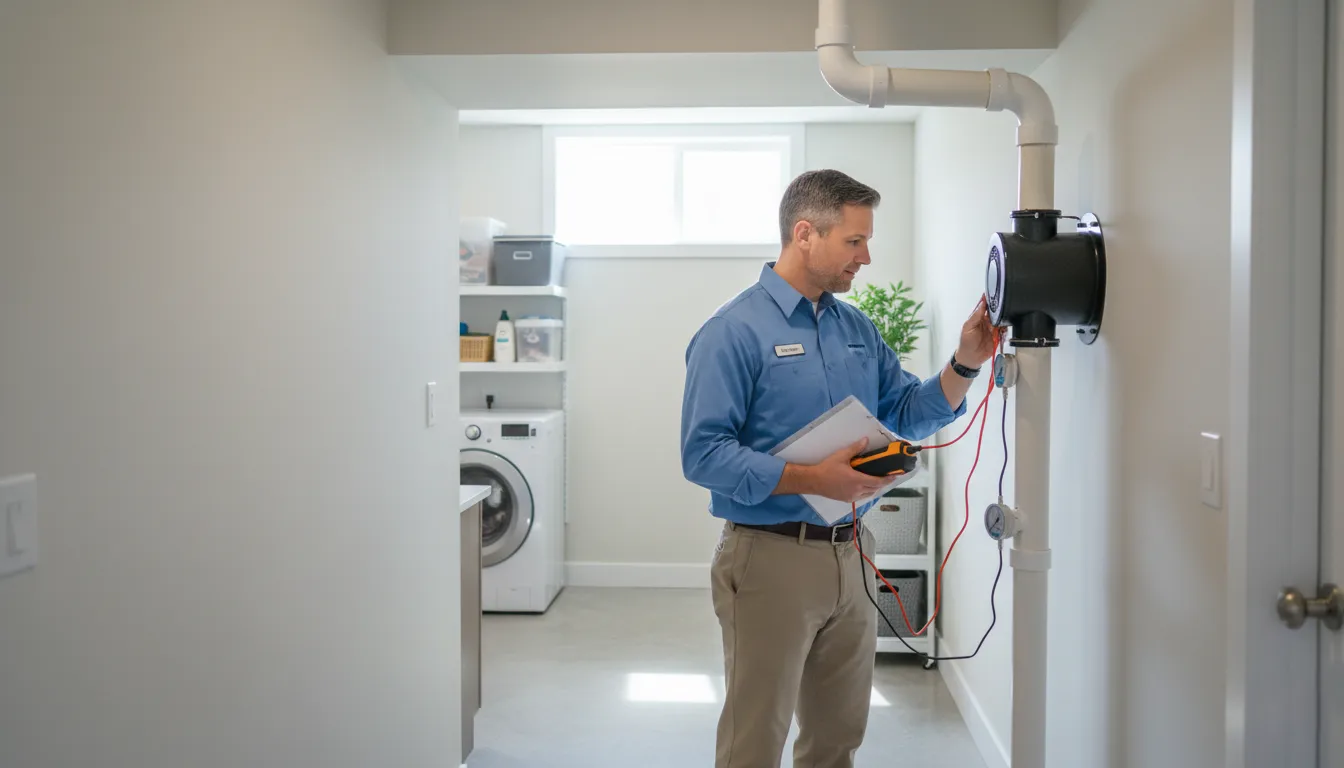
During Radon System Inspections, the fan is one of the most important components to check. A professional can look for signs of wear, unusual vibration, noise, poor suction, or electrical issues. They can also confirm whether the system pressure appears normal.
A fan problem does not always look dramatic. Sometimes the system still appears intact, but it is not moving enough air to reduce radon effectively. That is why professional inspection matters.
A working fan is not just a mechanical detail. It is the part that helps keep radon moving in the right direction.
Pressure Gauges Can Tell You a Lot
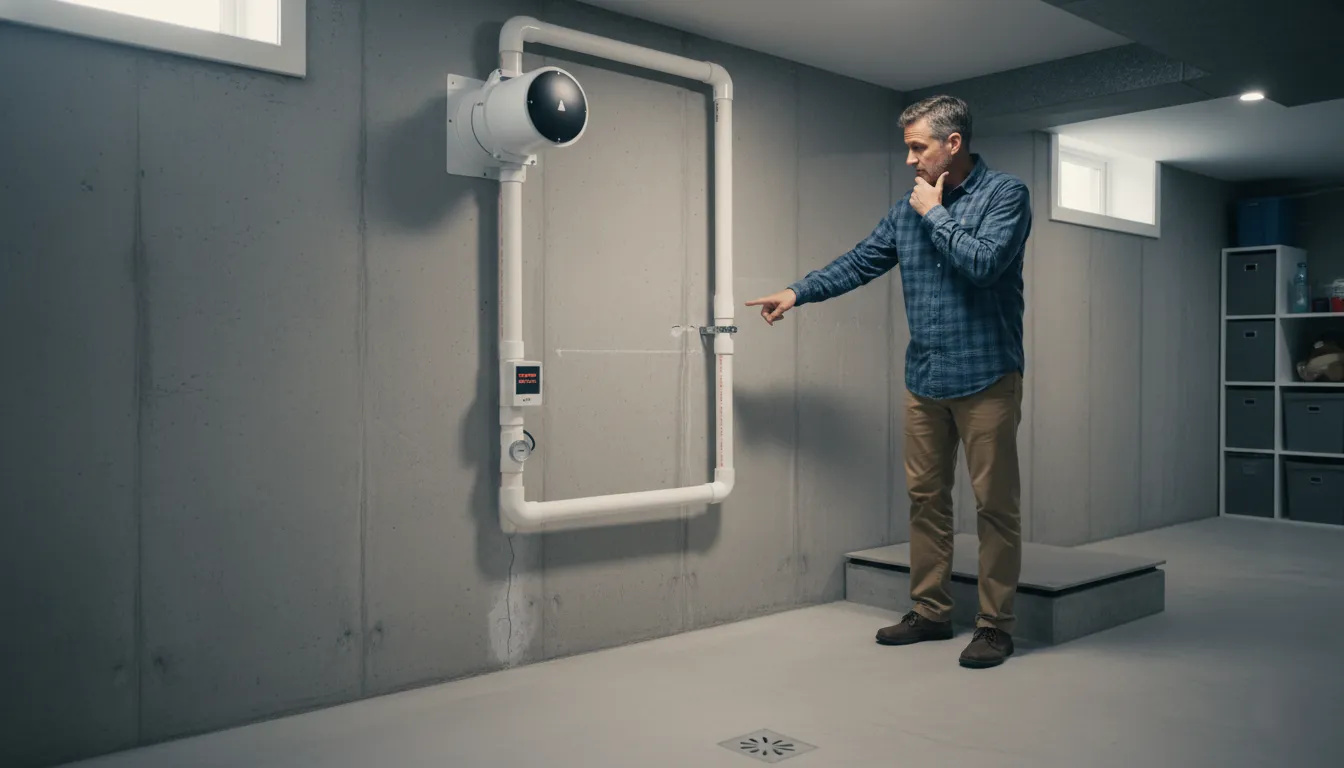
Many radon systems include a U tube manometer. This small pressure gauge is usually installed on the system pipe and shows whether the fan is creating suction.
Homeowners often see it but do not always know what it means.
If the fluid levels are uneven, the system is likely creating pressure. If the levels are even, that may mean the fan is not working or the system has lost suction. However, readings can vary depending on the system design, so it is best to have a trained professional evaluate it.
Radon System Inspections include checking these visual indicators and making sure they match expected system performance. This simple step can reveal whether the system needs further attention.
The gauge may be small, but it can give an important clue about the health of the system.
Small Problems Are Easier to Fix Early
One of the best reasons to schedule annual inspections is simple: small problems are usually easier and less expensive to fix.
A loose pipe connection, worn seal, weak fan, damaged vent cap, or blocked discharge point can often be addressed before it causes a major performance issue. If ignored, these small problems may allow radon levels to increase.
Radon System Inspections help prevent surprises. Instead of waiting until a test result shows elevated radon, homeowners can stay ahead of the issue.
That is good maintenance. It is also good peace of mind.
Nobody wants to find out a safety system stopped working months ago. An annual inspection gives you a better chance of catching the issue before that happens.
Annual Inspections Support Real Estate Confidence
If you plan to sell your home, your radon mitigation system may come up during the buyer’s inspection process. Buyers often want to know whether the system works, when it was installed, and whether radon levels have been tested recently.
Having records of annual Radon System Inspections can help show that the system has been maintained responsibly. It may also reduce last minute concerns during a sale.
For buyers, a home with a maintained radon system feels more trustworthy than one with an old system that no one has checked in years. For sellers, inspection records can support confidence and transparency.
Radon is already a common concern in many real estate transactions. A maintained system helps keep that concern from turning into a bigger obstacle.
What Happens During a Professional Inspection?
A professional radon system inspection may include several key steps. The inspector may check the fan, piping, suction point, discharge location, electrical connection, seals, pressure gauge, and visible system condition.
They may also look for damage caused by weather, pests, landscaping, construction, or general wear. If the system includes a sump cover, crawl space membrane, or sealed foundation openings, those areas may also be reviewed.
Radon System Inspections are not just about looking at one pipe and calling it done. A proper inspection considers how the system works as a whole.
The goal is to confirm that radon is being collected from below the home and vented safely outside. If the system is not performing correctly, the inspector can recommend next steps.
Signs Your Radon System May Need Attention
Even with annual inspections, homeowners should know the warning signs of a possible issue.
You may need service if the fan is silent when it should be running, the pressure gauge shows no movement, the system makes unusual noise, pipes appear loose, seals are cracked, or radon test results increase. Water damage, basement remodeling, or foundation repairs can also be reasons to schedule an inspection sooner.
Radon System Inspections should not wait if something looks wrong. Annual service is a smart routine, but visible changes or concerns should be handled right away.
When in doubt, it is better to check the system than assume it is fine.
Why Professional Radon System Inspections Are Better Than Guesswork
Some homeowners can check the pressure gauge or listen for the fan, but that does not replace a professional inspection. A trained radon specialist understands how the full system should perform and what problems may be easy to miss.
Guesswork can leave gaps. A system might make noise but still underperform. A fan might run but not create enough suction. A sealed area might look fine but allow radon entry through hidden openings.
Professional Radon System Inspections provide a more complete review. They also help homeowners understand what is working, what needs attention, and when testing should be done.
For a safety related system, guessing is not a great strategy. It is better to know.
Work With Local Radon Mitigation
Radon is invisible, but your protection plan should not be. If your home has a radon mitigation system, it deserves regular attention. Annual inspections help make sure the system is still working, the fan is still performing, and indoor radon levels remain a priority.
Local Radon Mitigation provides professional support for homeowners who want to keep their radon systems in proper condition. Whether your system is newer, older, or has not been checked in years, an inspection can give you clearer answers.
To schedule service or ask about Radon System Inspections, contact Local Radon Mitigation at 4144557279.
Financial and Functional Benefits
- Maximizes System Longevity: Catching minor fan strain early prevents total motor burnout and lowers your overall electricity consumption.
- Protects Real Estate Value: Documented annual service histories reassure potential home buyers and speed up real estate transactions.
If you would like to better evaluate your setup, tell me:
- Do you currently track your system using a digital monitor or a standard liquid U-tube gauge?
- Has your home undergone any recent foundation work or basement remodeling?
- How many years has your current mitigation fan been running continuously?
FAQs
How often should I inspect my radon system?
Most homeowners should schedule Radon System Inspections once a year. You should also schedule an inspection after renovations, basement work, foundation repairs, or changes that may affect airflow or soil gas entry.
Can a radon mitigation system stop working?
Yes. Fans can fail, pipes can loosen, seals can crack, and system pressure can change. A system may look normal while not performing properly, which is why inspections are important.
Do I still need radon testing if I have a mitigation system?
Yes. The system inspection checks the equipment, while radon testing confirms indoor radon levels. Both are important for long term safety.
What is checked during a radon system inspection?
A professional may check the fan, piping, suction, pressure gauge, seals, discharge point, electrical connection, and visible system condition. Testing may also be recommended.
Who should I call for radon system service?
You can contact Local Radon Mitigation at 4144557279 for help with Radon System Inspections and radon mitigation system service.
Conclusion
A radon mitigation system is not something to install and forget. It is a working system that needs occasional attention to keep protecting your home. Annual Radon System Inspections help confirm that the fan, pipes, seals, pressure, and overall system condition are still where they should be.
Radon gives no obvious warning signs, so maintenance matters. A yearly inspection can catch small problems early, support safer indoor air, and give homeowners confidence that their system is still doing its job.
For professional support, contact Local Radon Mitigation at 4144557279 and keep your radon protection plan working year after year.